Wednesday, December 2, 2009

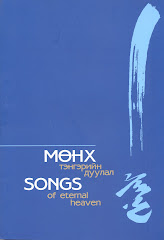
Сергей Есениний сонгомол шүлгийн түүвэр орчуулагдан гарлаа


Оросын уянгын яруу найргийн ханхүү Сергей Есениний “Сонгомол шүлгүүд” хэмээх 10 хэвлэлийн хуудас ном МЗЭ-ийн шагналт яруу найрагч, орчуулагч, сэтгүүлч Ж.Нэргүйн орчуулгаар хэвлэгдэн уншигчдын гар дээр очиж байна. Профессор С.Баясгалан, яруу найрагч Ц.Жамбалгарав, монгол судлаач Юрий Кручкин нарын ариутган шүүсэн том хэмжээний энэ түүвэрт гайхамшигт яруу найрагчийн 100 шүлэг, 2 найраглал багтсан байна.

Уг номын өмнөтгөлд нэрт орчуулагч, орос хэлний нэвтэрхий мэдлэгтэн Содовын Баясгалан “урьд өмнө олон дуун хөрвүүлэгч нар Есениний шүлгүүдийн зах зухаас бөмбөчүүлж байсан боловч Ж.Нэргүй шиг зориглон барьж аваад бүхэл бүтэн, яруу тансаг ном болгон гаргаж байсан нь үгүй” гэдгийг цохон дурдсан бол, сүүлийн үед монгол, орос хэлний томоохон толь бичгүүд бүтээсэн Оросын толь зүйч Юрий Кручкин “Яруу найргийг орчуулдаг хүн яруу найрагчтай нь өрсөлддөг юм” гэсэн их Пушкиний үгийг ишлэн аваад, аргагүй тансаг орчуулга” болсныг нь үнэлсэн байна.

Орчуулагч Ж.Нэргүй өөрөө энэхүү номынхоо төгсгөлд “Есениний шүлгийг монгол хэлнээ буулгахын тулд бараг 40 жил түүгээр өвчлөх хэрэгтэй байдаг аж. Тэгсний дараа яг “ханцуй шамлан” ороход 10 өдөр, 10 шөнө л хэрэгтэй байсан юмсанж” хэмээн ам алдсан нь сүүлийн үед гадаадын олон нэртэй бүтээлүүдийн орчуулгаар монгол хэлтнүүддээ бэлэг барьж буй дуун хөрвүүлэгчийн зангаргийг илтгэж буй бололтой.

Сергей Есениний эх нутгийн дуулал, эрээнтэй бараантай аж төрөл, хайр сэтгэлийн уянгыг дөрвөн бүлэг болгон ангилсан энэ томоохон бүтээлийг Соёл яруу найргийн академиас эрхлэн монгол уншигчидтай хүргэж байгаа юм.

Уг номын нээлт энэ сарын 4-ний баасан гаригт “Интерном” номын дэлгүүрт болно.

Wednesday, May 6, 2009

by Simon Wickham Smith

Danzangiin Nyamsüren (1949-2002) was one of Yavuuhulan's three principal students. Unlike both Mend-Ooyo (coming tomorrow) and Dashbalbar (coming Wednesday), Nyamsüren preferred to keep out of the spotlight, spending much of his adult life living and working in the small town of Ereentsav, on the Russian border, where his wife Handmaa worked (and still works) as an immigration official at the railway crossing. In his essay "Warmth," the journalist B Zolbayar wrote an account of a visit he made to Handmaa in Ereentsav following Nyamsüren's death (download my translation below).

Nyamsüren was influenced primarily by the atmosphere of Yavuuhulan's work, his intimate relationship with the landscape and with the natural world. In one of Nyamsüren's most famous poems, "The Four Seasons" (not reproduced in the text available below for download), Nyamsüren offers a long litany of praise for nature and for the area where he lives: each line describes one aspect of this area as "lovely," it is like a mantra almost, an enchantment.

Nyamsüren published three books during his life - Spring's Flow (1984), The Nature of Mind (1991) and From the Lonely Steppe (2001). This year, which would have marked Nyamsüren's 60th birthday, Mend-Ooyo's Mongolian Academy of Poetry and Culture will reissue these books, in addition to my translations in a one-volume edition. According to Handmaa, two further volumes remain unpublished, and I am trying to secure these texts for inclusion or, at least, for later publication.

G Mend-Ooyo (b1952) was born into a nomadic family. Trained as a teacher, and the second of Yavuuhulan's three main students, hehas now published over thirty books of poetry, criticism and essays, and has received numerous awards in recognition of his work to promote Mongolian culture.

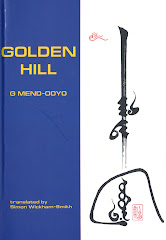
Having worked with Mend-Ooyo for four years now, I have noticed that he is constantly writing, constantly thinking about how to encourage Mongolians to value their history and traditions. His basic thematic material can be seen from the text of Nomadic Lyrics (download below), translated by S Sumiya, Peter K Marsh and myself. Also available is the Prolog to Golden Hill, the work which regards as his magnum opus, and the one which he was most keen to have available in English. This is an extraordinary book - fiction and history and auto/biography and vision and poetry - and one which I think should find a publisher (adventurous publishers take note!) in Europe or the US.

Mend-Ooyo is foundera nd director of the Mongolian Academy of Poetry and Culture in Ulaanbaatar. He is developing a project to establish an international poetry center in the heart of Ulaanbaatar, dedicated to the memory of Yavuuhulan.

O Dashbalbar (1957-1999) was the youngets of Yavuuhulan's three main students, but also the one whom the other two recognised as somehow their leader and their teacher. He spent the first thirty-seven years of his life immersed in books and poetry and the land with which he felt a close connection. Then, in 1994, he was elected to the Great Hural as an independent parliamentarian, and proceeded in this way to lobby against the proposed Land Law, which would grant private ownership to tracts of the Mongolian state, which historically had been free for the nomadic people to use as pastureland and as a place to set up their camps. He died, at the age of only forty-two, in October 1999, in a mysterious death which some consider to have been murder by poisoning, in response to his political activity and popular support.

His book The River Flows Gently was published in 1986, and about half of it is reproduced for download below. This includes his famous love poem "For You," as well as a number of poetic prose pieces dealing with culture and the nature of art and beauty. In addition to my introductary essay to this book, you can also download the portrait by his friend and fellow-poet Mend-Ooyo (see yesterday's post), which includes a final section written a few days following Dashbalbar's death.

Tsogdorjin Bavuudorj (b1969) has published six books of poetry, one of which has been published in English (When Humans Become Grass) by Mend-Ooyo's Mongolian Academy of Poetry and Culture. In 2006 he won the prestigious Natsagdorj Prize in recognition of his poetry. Bavuudorj's work is very heavily influenced by the ideas promoted by Yavuuhulan and his students, but his expression and style is deeply influenced by spirituality and by an almost surrealist, visionary sense. The extract from When Humans Become Grass available for download comprises about a third of the book's contents, and when read next to the work of poets such as Mend-Ooyo and Dashbalbar and, looking further back, to that of the nineteenth century poet-monk Danzanravjaa, it will be clear that his sensibilities are rooted in the history and the traditions of premodern Mongolia.

T-Ö Erdenetsogt (b1971 who, like yesterdays hero Bavuudorj, is heavily influenced by Buddhism, was one of the cofounders of the BISHÜBI (an acronym for three words which roughly translate as "worshipping wisdom") movement during the late 1980s. He has published a couple of books of poetry including Setgelin ogtorgui (my translation of which, Sky of Mind, was published last year). Today's download constitutes about half of that manuscript, and shows the influence both of Buddhism and of the work of the c19 writer Danzanravjaa. Notice how frequently these poems contain elements of prayer and spirtual aspiration: the Mongolian original of this book contained pictures of Erdenetsogt praying before an altar, and it is highly unusual for Mongolian writers to acknowledge religious or spiritual affiliation.

Erdenetsogt now lives with his wife and young daughter in Dublin, Ireland. Unfortunately, I have no pictures of him, but I do have the following image, of me holding his daughter last year in the offices of the Mongolian Academy of Poetry and Culture, and that single degree of separation with today's featured poet will have to suffice for now

L Ölziitögs (b1972) is one of a growing number of younger poets who, while not totally rejecting the traditional thematic and stylistic concerns of Mongolian poetry, are nonetheless looking outside the country and incorporating and adapting the ideas of foreign literatures into their own work. Her short stories (represented in today's downloads by "A Bond" and "The Aquarium") recall the Latin American magic realists, and especially Jose Luis Borges, although there is a sinister side which is also reminiscent of the early C20 writer Natsagdorj.

The third file available below contains thirteen of her poems, which are similarly modernist in spirit and treatment, although more traditional somehow in their themes. Together with such writers as G-A Ayurzana, G Delgermaa, B Odgerel and B Galsansuh, Ölziitgs represents a spirit of innovation and experimentation which, until recently, had been all but lacking in the literature.

These poems are also important because they are some of the only poetry translations made by my friend and colleague, Sh Tsog. Tsog was a fine man and a fine translator, originally trained in Germany as an economist, who became bored with Francis Fukuyama and who embraced the vision of revealing Mongolian literature with me to the west. We collaborated on Very Big White Elephant: New Voices in Mongolian Poetry (eventually published in Ulaanbaatar in 2007) and on An Anthology of Mongolian Literature (2008), but both of these books appeared after his untimely death, at the age of 55, in 2006.

So there you have it. Modern Mongolian literature in seven days. How wonderful is that? Of course, seven writers cannot in any way tell very much about the wide range (even within the tradition) of techniques, styles, themes and voices. And Mongolia is a country of poets, after all, a country where poetry is the defauly literary expression and where people sing and recite poems long into the night, and drink too, so long as they remain standing up and relatively conscious.

Where now then? Contact me at wickhamsmith@gmx.net, the Mongolian Academy of Poetry and Culture at info@poetry-culture.mn (English is fine) and order books either from the MAPC or from Shopmongolia. To close, here is a picture of some happy poets halfway up Bogd Uul (the holy mountain outside Ulaanbaatar) on Poets' Day a couple of years ago. How I would like to claim that i was there and had taken the picture, but alas this is not the case.

You might recognise Mend-Ooyo (second from left) from Amarhüü's picture...the one in the beige ski-hat is Bavuudorj (Thursday's hero) and the one at far right is Urianhai, the venerable sage of Mongolian letters and a very wonderful and influential poet.

I'd like to thank Stacey Harwood and David Lehman for having me blog this week, particularly since neither I nor my subject matter constitutes the best of American poetry. Nonetheless, I hope that this week has opened the door onto this unknown literary land just a crack and that you, dear readers (as they still address us in the introductory essays to Mongolian books), have enjoyed the journey.

Finally, I promise, I received the following text from Mend-Ooyo this morning, commemorating what would tomorrow, March 15th, have been his teacher (and this week's first subject) Yavuuhulan's 80th birthday. I understand that my English translation of his collected poems will also be published tomorrow. This is the text which Mend-Ooyo posted on his blog this morning, about the events surrounding Yavuuhulan's early death at the age of 53 in February of 1982.

In 1956, Nikita Krushchev openly and explicitly criticised the record of Josef Stalin and initiated a thaw in Soviet society. Begziin Yavuuhulan (1929-1982) who, at that time, was beginning his career as a poet and translator, saw the opportunity to wrench Mongolian literature from its almost two decades languishing among the repetitive grimness of paeans to Stalin and Lenin, encomia to noble peasantry and opprobria against capitalism and the non-communist world. His idea was to revive the literary traditions of pre-revolutionary Mongolia - respect for the land, the changing seasons, the celebration of the history and lineage of the Mongolian people, and even (occasionally, clandestinely) an acknowledgement of shamanic and Buddhist spirituality - and to clothe them in the stylistic and thematic language of the modern world. The movement which resulted from his efforts was the "New Tendency" (in Mongolian Shine handlaga) and this can be seen as preparing the ground for much of the poetry which was composed in Mongolia during the latter half of the twentieth century.

Yavuuhulan wrote a great deal, and he gathered around himself students who would become the most influential poets of the 1980s and 1990s. He was also a prolific translator, and is well-known for his work on Sergey Yesenin. Here are some examples of Yavuuhulan's poetry, which illustrate I think what he was trying to do with the tradition, together with an essay written by his student G Mend-Ooyo, one of the subjects of tomorrow's post and the director of the Mongolian Academy of Culture and Poetry in Ulaanbaatar.

Thursday, February 12, 2009

ЯВУУХУЛАНГИЙН НАЙРАГ ЯМАРХАН НЭГИЙГ ШИВНЭХҮЙ


ДОРНЫН ИХ ЯРУУ НАЙРАГЧ БЭГЗИЙН ЯВУУХУЛАНГИЙН 80 НАСНЫ ОЙ ЭНЭ ОНД ТОХИОЖ БАЙНА.

2009 онд их яруу найрагч Б.Явуухулангийн 80 насны ой тохиож байгаа нь монголын утга зоихолын томоохон үйл явдал юм. Их найрагчийн ойд зориулж Соёл Яруу Найргийн Академиас Б.Явуухулангийн сонгодог шүлгүүдийг англи хэлнээ орчуулж гаргах гэж байгаа бөгөөд Монголчуудын сайн танил Саймон Вэккхам Смит шүлгийн орчуулга дээр ажилласан байна. Эдүгээ тэрээр АНУ-ын Сиатл хотноо Вашингтоны Их Сургуульд монголын яруу найраг судлалаар суралцаж байгаа бөгөөд энэ чиглэлээр суралцаж буй анхны судлаач билээ.

САЙМОН ВЭККХАМ СМИТ /Английн орчуулагч, судлаач/

ЯВУУХУЛАНГИЙН НАЙРАГ ЯМАРХАН НЭГИЙГ ШИВНЭХҮЙ

…Эртний монгол шүлгийн

Гайхам сайхан санаа

Энэ яваа насанд

Нэгийг надад шивнэж…

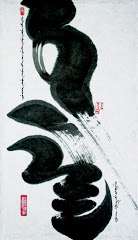
Баруун гараараа давхарлаж өрсөн номон дээр тохойлдоод, зүүн гартаа бас нэгэн ном барьсан цэнхэр, цагаан судал бүхий цамцтай дунд хэр насны эр… Гэрлийн тусгалд нүүрэн дээр нь үл мэдэгхэн зураасууд тодрон харагдах энэ эрийн уруулаас дэлхий ертөнцөд хандсан үгсээн хэлэхээр бодолхийлэх мэт байдал илхэн харагдана. Зурагнаас нь түүний дотоод мөн чанар, зөөөлөн аядуу төрх, мохошгүй сайхан сэтгэл, оюун санаа, сүр жавхлан, шийдэмгий зан чанар нь бүгд нэгэн зэрэг, туйлын тодхон мэдрэгдэх аж.

Яруу найрагч, зураач Мягмарын Амархүү ийнхүү дорнын их яруу найрагч Бэгзийн Явуухулангийн шүлэг найргийн үзэл санааг илэрхийлэхийн сацуу тухайн цаг үеийнхээ утга зохиолын ертөнцөд найрагчийн эзлэж асан байр суурийг ч бас илтгэн харуулж байна.

Эгэл хүмүүний өчүүхэн жаахан хувь ертөнц, орчлон дэлхийн асар уудам хөдөлгөөнтэй нэгдээд ирэхээрээ дүрслэлийн илүү нарийн дүр төрхийг цогцлоон бүрдүүлж, энэ хирээр утга агуулгын хувьд ч гойд тодорхой болж ирэх ажээ. “Намрын навчис” шүлгийн хувьд миний анхаарлыг хамгийн их татсан зүйл нь энэ шүлэг нүүдэлчний яруу найргийн үзэл санааны ямар нэгэн илэрхийлэл бус, харин нүүдэлчний яруу найраг хийгээд түүнийг хүлээн авах дэлхий ертөнц хоёрын холбоон дунд зохиогч өөрөө альхан хавьд нь алхаж яваагаа илэрхийлэх гэсэн санаа. Магадгүй тэрээр энэ шүлгээрээ өтөлж өвгөрч, үс нь бууралтсан хүнд намрын цаг ямархан нэг цочрол, ганихралыг авчирдагыг дүрсэлсэн байж ч болох. Энэ бол Явуухулангийн өтөл насны дүр төрхийг зурсан хэрэг бус харин байгаль ертөнцөөс үүдсэн сэтгэгдэл, үүнээс ч илүүтэйгээр ертөнц дэлхийн жинхэнэ үнэн мөнөөс хүмүүсийн бүтээсэн ертөнц өөрийг нь түүнийг хэрхэн холдуулсаар байгааг өөрт төрсөн сэтгэгдлээрээ дүрслэн бичсэн санаа гэж би ойлгож байна.

Салхи ч үгүй нам гүм байтал

Шарласан навчис хийсэж байлаа.

Санаанд ч үгүй аж төрж явтал

Санчигны минь үс цайж байлаа.

“Намрын навчис”, Нүүдэлчний намар” зэрэг шүлгүүдээс нь мэдрэгдэх хөнгөн гуниг төрүүлэхүйц өнгө аясаас бид Явуухулангийн найраг шүлгийн үзэл санааны гол цөмийг олж харж болох мэт. Минийхээр түүний шүлгүүдэд гандуухан шаргал өнгө давамгайлах бөгөөд, дотоод дүрслэлүүдийн хөдөлгөөнүүд нь ихэвчлэн анир гүмээр л үргэлжлэх ажээ. Гэхдээ намар цагийн гандуу бүхэн нүүдэлчдэд хавар цаг эргээд л ирэхийн итгэлийг ямагт төрүүлнэ.

Түүний шүлэг найраг дахь хүмүүсийн дүр нь байгаль дэлхийтэйгээ салшгүй холбоотойгоор дүрслэгдсэн байх бөгөөд найрагч байгаль дэлхийд хандсан өөрийн үгээ тэдгээр дүрүүдийн тусламжтайгаар, үлгэр домгийн хэлээр өгүүлэн байх нь бас их онцлогтой санагдана. Түүний бүхэнд танигдсан уран бүтээлүүдийн нэг болох “Тэхийн зогсоол” хэмээх шүлэгт үхэл нь ойртсон нэгэн янгирийн тэхийн тухай эцэг нь хүүдээ хүүрнэн байгаа өгүүлэмж гардаг. Энэхүү шүлгээ Явуухулан анчин эцэг Бэгздээ зориулсан билээ. Ер нь л Монгол анчид өөрсдийн агнадаг амьтадтайгаа ямар нэгэн шижмээр далд ухамсрын холбоотой байдаг.

Найрагч хүний хөл хүршгүй өндөр хэцийн дээрх маш нууцлаг, ихээхэн гуниг төрүүлэм үйл явдлыг голлон барьж шүлгээ туурвисан байх бөгөөд, уран зохиолын хэтрүүлэл, зүйрлэл хийгээд бодит дүрслэлийн аргын аль алинг ашиглан алсын тэртээх оргилын хүршгүй холыг илүүтэй товойлгон бичсэн нь нэн онцгой болжээ. Энэ нь ахиад л зураач Амархүүгийн цаг хугацаа, орон зайн орчлоор зорчиж, газар дэлхий, ан амьтдын дотоод ертөнцрүү нэвтрэхийг тэмүүлсэн өнөөх зургийн өгүүлэмжрүү өөрийн эрхгүй татах ажээ. Нөгөөтэйгүүр энэхүү дүрслэл нь уулын энгэрт бууриа тэлсэн хүмүүсийн ертөнц хийгээд оргил хэц дээр хөдөлгөөнгүй зогсох хөгшин тэх хоёрын хоорондох оршихуйн зөрчил, ялгаатай талыг өөд өөдөөс нь сөргүүлэн тавьсанаараа онцлог юм. Шүлэгт өгүүлснээр анч эцэг нь айл хотлынхондоо тэрхүү тэхийн зогсоолын нууцыг тайлан ярьж, нүүдэлчний ёс заншлаар алив үзэгдэлд хандан, зөвхөн энэ яриагаараа л оргил өөд хүрэхцорын ганц замыг тавьж байдаг.

Нөгөөтэйгүүр өгүүлэгдэн буй эцгийн яриа энэ шүлгийн хамгийн гол үзэл санааг өөртөө агуулсан байх бөгөөд уран зохиолын хамаг л нарийн дүр дүрслэлийн хэлбэрүүдийг ч мөн өөртөө шингээсэн байх юм. Энэ шүлгийн эцэг нь хүүдээ нэг нүдний дурангаа өгөн оргилыг дурандуулдаг хэсгийг уншаад би шууд л Явуухулангийн бүтээсэн дүрүүдийн ерөнхий хандлагыг ойлгох шиг болсон. Энэ шүлэгт гарч буй нэг нүдний дуран нь хэн нэгний ой дурсамжаас ямар нэгэн зүйл халин одох гэж буй тэрхүү агшнийг ойлгоход туслах билгэдлийн шинж чанартай дүрслэл юм.

Энд бас нэгэн бүргэд үүрээ эргэцэн, өдөржин тэр л оргилын дээгүүр эргэлдэн ниссээр л байдаг дүрслэл гарах бөгөөд ганц бүргэдийн энэ зураг газар дэлхийн ганцаар сондгой төрхийн билгэдэл болжээ. Гэхдээ энэ бол ганцаардмал дүр төрхийг илэрхийлсэн утга хараахан биш ээ. Шүлэгт гарах анчин эцгийн дүр бас л ганцаараа анд явж, ганцаараа л байгаль дэлхийн онгон догшин амьтадтай сэтгэлийн учгаар холбогдож, ганцаараа л тэдэнтэй холбоо тогтоон байгаа нь харагддаг. Энэ нь шүлгийн дүр дүрслэлээс илэрхий харагдах бөгөөд Явуухулан өөрөө анчин нүүдэлчний гэрт өсөн торниж, тэр л ахуй заншлаар хүмүүжсэн нэгэн болохоор байгаль дэлхийдээ хандах нүүдэлчний сэтгэл сэтгэлгээг хамгийн гүн гүнзгий ойлгож, тэрхүү ойлголтоо өөрийн уран бүтээлээр илэрхийлэн гаргаж чадсанаараа урлаг уран зохиолын ертөнцөд ихээхэн өөр өнцгийг авч ирж байгаа юм. Тэрээр өөрийн ботод амьдралаас ургуулан гаргасан энэ мэт гярхай ажиглалтандаа үндэслэж, анчин эцгийнхээ дүрээр дамжуулан нүүдэлчдийн амьдралын бусдаас өөр талыг илүү довойлгойлгон харуулсан нь бас мэдрэгдэнэ.

Тэхийн зогсоол шүлэг дээрх анчин эцгийн ярьж буй өгүүлэмжүүд ихэнхдээ өөрийн үзэж туулсан дээрээ үндэслэлгүй, харин өөрийн бодож эргэцүүлсэн зүйл дээрээсээ дүгнэн хэлэх юм уу эсвэл “- тэгдэг гэнэлээ, ингэдэг гэнэ лээ” гэсэн дам эх сурвалжаас ишлэн байх нь ихээхэн ажиглагддаг. Энэ дуулийн агуулга санаа нь яг ч хүний оршихуй, нийгмийн дүр тусгалыг бүрнээ үзүүлэхийг зориогүйг оргил хэц дээрх тэр тэхийн үйл байдлыг голчлон дүрсэлснээс тодорхой харж болно. Тухайлбал:

...Өндөр оргил дээр олон хоног
Зогсдог юм гэнэлээ
Өнгөрүүлсэн амьдралаа эргэж нэг
Хардаг юм гэнэлээ… гэх юм уу

...Ижил олон сүргээ эцсийн удаа
Yздэг юм гэнэлээ
Эх болсон нутгаа сүүлчийн удаа
хардаг юм гэнэлээ...
гэх мэт.

Явуухулангийн дуулийн өгүүлэгч баатар болох анчин өвгөний гүн бодролт дүрслэл нэг талаар ардын үлгэр туульсад гардаг цэцэн мэргэдийн дүртэй ямар нэгэн байдлаар холбоотой мэт санагддаг. Энэ нь түүний тэхийн зогсоол дээрх ямааны тухай болон тэр оргилыг чухам яагаад “Тэхийн зогсоол” хэмээн нэрийдсэн талаар хүүдээ ихээ цэцнээр тайлбарлан ярьж өгч буй хэсгээс илүүтэй анзаарагддаг. Чингэхдээ бусдад цэцэн мэргэн хүн болж харагдах гэсэн ямар ч утга санааг агуулаагүй, гагцхүү өөрийнхөөрөө байгаа тэр оршихуй нь л сайх анчинг тийм сэтгэгдэлээр хүлээж авахад хүргэж байгаа зэрэг нь дүрийн эл талыг улам нарийн тодосгож буй юм. Нөгөө талаар сайх анчин маань энэ дуулийн хувьд оргил дээрх тэхэд тохион буй хувь заяаны зайлшгүй тохиолоор дамжуулан хорвоогийн жам, хувь заяаны эгэшгүй хатуугийн өмнө үр хүүхдээ хэрсүүжүүлэн бэлтгэх гэсэн эцэг хүний дүрээр дүрслэгджээ. Үнэхээр л оргил дээрх тэх нэг л өдөр жамын орчлонгоос халин одоход өнөөх анчин их л сэтгэл тайвнаар, инээмсэглээд, цай ойчлон сууж дүрслэгддэг билээ. Энэ бол хувь зайлшгүйтэй уужуу сэтгэлээр эвлэрч байгаа, гэнэтийн тэр гарзыг жам ёсны зүйл, байгалийн амьдралийн хэвийн нэг үзэгдэл мэтээр хүлээн авч, гагцхүү өөрийн жамаар, өөрийн хувь тавилангаар, өөрийн тааллаар халин одсон тэхийн өмнөөс сэтгэл тайвшран суугаа нүүдэлчин хүний, нүүдэлчний сэтгэлгээний илэрхийлэл юм. Ерөөс байгаль ертөнцийн жам ёс, хэзээ ч үл сөрж чадах хувь заяаны өмнө хүмүүн төрөлтөн хэрхэн хүчгүйдэн туйлдаж байгаа тухай гуниглалт дүрслэл Монголын уран зохиолын өгүүлэмжинд ихээхэн өргөн тархжээ.

Дуулийн төгсгөлд айлууд тэр өвөлжөөнөөс нүүх үед, найрагчийн эцэг өндөр хэцийн өнөөх оргилруу эргэн нэг хараад “-Төрсөн нутаг минь!” хэмээн эрхгүй нэг шүүрс алддаг. Энэ дүрслэл бол өвгөн анчин, өндөр хэц, хөгшин тэх гурвын хоорондох нарийн шижмийг тодотгож буй хэрэг бөгөөд басхүү өнөөх анчин өөрөө тэрхүү хэлхээ холбоогоо ямархан сэтгэлээр хүлээн зөвшөөрч байсныг илэрхийлдэг.

Гэхдээ энэ нь нийгмийн шинж чанар бүхий иргэн хүний бус байгальлаг бодьгаль хүний шинж чанарыг илүүтэй нээн харуулсан дүр дүрслэл бөгөөд бид үүнийг өөр өөрийн оюун дүгнэлтээр хүлээн авбал зохилтой.

“Тэхийн зогсоол” бол утга санаагаа туульсийн хэлбэрээр, хүний сэтгэл зүрхэнд хоногштол дүрслэн бичсэн зохиол юм. Энэ зохиолыг уншихдаа бид өвгөн анчны яриаг анхааралтай чагнах өвөлжөөний хүмүүс шиг байгаль дэлхийтэйгээ салшгүй хүйн холбоотой сэтгэлээр хандаж чадахгүй бол гол дүрийн тэр анчны дотоод сэтгэлийн нарийн нандиныг, бас зохиогчийн бидэнд хэлэхийг хүссэн тэрхүү утга санааг бүрнээ ойлгож, зохиолын гол цөмрүү нэвтэрч чадахгүй билээ. Тодруулбал, зохиогч тэрбээр бидний нүдэнд үзэгдэж, гарт баригдтал доторхой өгүүлээгүй ч зохиолынхоо цаана өгүүлэхийг хүссэн утга санаа нь хотжиж, иргэнших тусам, төрж өссөн нутаг, байгаль дэлхийгээсээ улам л алслагдаж, тэр хирээр бодьгаллаг, байгальлаг шинжээ гээн буй хүмүүсийн эх байгальтайгаа холбогдох шүтэн барилдлага, таслаж болшгүй хүйн холбооны талаарх үзэл санаа байлаа. Миний л үзэж буйгаар Явуухулангийн шүлэг найраг дотор ан амьтад, байгаль дэлхий, нутаг усны дүрслэл илүүтэй зонхилж, хүний тухайд асуудал ямагт хоёрдугаарт тавигдаж байжээ. Гэхдээ л түүний уран бүтээлд хайрлаж дурлаж явсан оргилуун сэтгэл дээрээ дөрөөлөн бичсэн хайрын тухайд олон сайхан шүлэг буй. “Мөнгөн хазаарын чимээ” нэрт нэгэн шүлэгтээ тэрбээр холоос ирэх амрагаа мөн эсэхийг таан, чимээ анирдан хүлээн буй тухайгаа бичсэн байдаг.

Зорин ирэх амрагаа хүлээхэд
Морин төвөргөөн зүрхнээ хоногшиж
Шөнийн чимээгүй гадаа налайн
Унийн углуургаар саран гэрэлтэнэ.
Өнчин дэрэн дээр нойр хулжсан
Ухаангүй дурлалын урхинд байхад
Мөнгөн хазаарын бүдэг чимээ
Онгон зүрхийг цочоон баясгана.

Хоёр бадаг наймхан мөр энэ шүлгээс бид хайр сэтгэлийн агуу их хүчийг мэдрээд зогсохгүй морин төвөргөөн бүдэг чимээ алсын тэртээгээс тодсон тодрохтой зэрэгцэн ямар нэгэн үл ойлгогдом хүлээлт догдлолд өөрийн эрхгүй эзэмдүүлэн буй мэдрэмжийг мэдрэх болно. Тийм ч учраас Явуухулан дээрх шүлгэн дээр өгүүлэгдэх морин дэлэн дээрх хүнийг үнэхээр л хүлээн догдолсон хайрт нь мөн эсэхийг батласан ч үгүй бас үгүйсгэсэн ч үгүй орхижээ. Гэхдээ шөнийн чимээ аниргүйд, тэргэл сарны гэрлийн дорх тодхон дүрийг зурагласнаараа тэрээр хүлээлт догдлолынхоо бодит төрхийг бидэнд нээн харуулж буй билээ. Чихэнд нь сонсдох чимээ нь тийм ч лавтай биш, барим тавим буй нь хүлээлт тааварлал дунд догдолсон сэтгэл хөдлөлийн мэдрэмжийг нь улам л түргэсгэнэ. Хэн нэгний хүлээж догдолсон сэтгэл нам гүмийн дунд өөрөө өөртөө чимээ авиаг үүтгэх нь угаас ухаангүй дурлалын урхинд орсон хүний шинж гэдэг нь илхэн. Шүлгийг ахин дахин уншихад, бас энэ шүлгийн утга санааг ахин дахин эргэцүүлэхэд Б.Явуухулан ямар нэгэн үг хэл, дуу авиагаар өөрийгөө илэрхийлэлгүйгээр, гагцхүү гадаад орчноос ямар нэгэн зүйлийг эрэн, хүлээж буй нь анзаарагддаг. Тэрээр шүлгээ бичихдээ тодорхойгүй зогсоц аван, үйл явдлын голд оролцогч байгаад зогсохгүй үйл явдлыг хөндлөнгөөс ажиглагч, тайлбарлагч болж чаддаг нь түүний уран бүтээлийг хүмүүсийн сэтгэл зүрхэнд хүрч, тэднийг байгаль ертөнц уугуул мөн чанартайгаа харилцан ярилцаж буй мэт сэтгэгдэл төрүүлдэг байна. Өгүүллийнхээ эхэнд ишлэсэн шүлгийнх нь мөрнөөс үзэхүл Б.Явуухулан нийгэмшил иргэншлийн урсгал дунд хүн өөрийнхөө уугуул мөн чанар, хүнлэг, бодьгаллаг шинжээ гээх вий гэхээс л илүүтэй эмзэглэн бичиж байсан бололтой.

Ихэнх Монгол найргийн нэгэн адил “Монгол найраг” шүлэг сэтгэлийн гүнд шивнэх үгсээр дүүрэн буй… Энэ бол зүгээр нэг санамсаргүйгээр хэлж буй зүйл бус, харин түүний шүлгийг ахин дахин унших бүрт тэрхүү шивнээ улам бүр чихнээ тодрох шиг болдог тэр л мэдрэмжээс үүссэн бодрол юм.

“Монгол найраг” шүлгийнхээ дотрох үзэл санаагаар тэрээр Монгол үндэстний шүлэг найргийг бүх хүний таньж мэддэг, дэлхийн гайхамшиг болсон Таж Махал, Моно Лиза, Эфиопийн бүжиг гэх мэтийн урлагийн төгс бүтээлүүдийн өөдөөс сөргүүлсэн тавьсан юм. Энд Монгол найргийн хэл, хэлбэржилт , дүрслэлийн алинг нь ч онцлоогүй ч эцсийн эцэст энэ бүхэн нэгэн дор нийлж байж нэгэн цогц бүтээл болдог гэсэн санаа. Энэ санаа нь шүлгийнхээ гол цөмд зангидагдсанаар дээрх шүлэг өөрөө бүтцийн хувьд ч, утга санааны хувьд ч ихээхэн цогц бүтээл болжээ. Б.Явуухулан Монголын уран зохиол, шүлэг найргийг оюун санааны агуу их дуудлага, бүсгүй хүний хайр, эр хүний дурлалаар нээн бичсэн нь уншигч, сонсогчдод ямагт шинэ содон буудаг.

Сайхан бүсгүйг дуулсан

Монгол шүлгийн чадалд

Санаа сэтгэл ариусдагийн

Гогцоо нь гэвэл энд байна

Энэ мөртүүд тухайн цаг үеийнхээ уран зохиолын өнгө төрхийг хэр бодитоор тусгаж чадсан байна вэ?. Ганц Явуухуланд төдийгүй Монголын ихэнх найрагчдын хувьд яруу найраг гэгч нь ер бусын гайхамшиг, тэнгэр огторгуйтай холбогдох зам мөр, хүний сэтгэл зүрхэнд хүрэх, бодит үнэнийг нээж чадах түлхүүр юм. Гэхдээ нөгөө талаар яруу найраг бол хүний хэлээгүйг хэлж, мэдрээгүйг мэдэрч чадах арга зам, хүч авьяас билээ. Бидний уншсанчлан түүний эцэг аман яриагаараа тэхийн зогсоолын утга учир, хөгшин тэхийн жам ёсны үхэл зэргийг хүүдээ хэрхэн тайлбарлаж буй нь, түүний тайлал үгс нь үнэхээр л “цэвэр оюун санаан”-д хүрэх түлхүүр болж буйг анзаарвал зохилтой. Явуухулан байгалийн бодот оршихуй нь хүмүүсийн бүтээсэн урлагаас ихээхэн өөр шүтэн барилдлагад оршдогыг маш тодорхой бичсээр иржээ. Гэвч тэрээр:

Хүй сайхан байгаль

Цөмөөрөө уран ч гэлээ

Хүний гоо сайхантай

Зэрэгцэх нь огт үгүй. хэмээн бичсэнээрээ өөрийнх нь

үнэт зүйл болсон, өөрийнх нь харъяалагддаг урлаг, уран сайхныг үгүйсгэсэн хэрэг огт биш юм.

Найрагчийн хувьд эмэгтэй хүний гоо үзэсгэлэн гэдэг бидний бүхий л сайн сайхан шинжийг өөртөө цогцлуулсан эх хүний гоо сайхан байлаа. Харин байгаль дэлхий бол түүний хувьд эмэгтэй хүний гоо сайхныг ийн нээхээс тэс өөр зүйл байв.

Баруунд эмэгтэй хүний гоо сайхныг үнэлэх үнэлэмж нь ихээхэн маргаантай асуудал байдаг. Харин нүүдэлчдийн амьдралд эх хүний тухай ойлголт, хандлага нь хотын соёлтой, барууны биднээс тэс өөр түвшинд, байгалийн жам ёсны эргэлтээс нилээд алсуур төсөөлөгддөг. Энэ шүлгийнхээ төгсгөлд тэрбээр Монгол найргийн шивнээгээр түүнд нөлөөлөх нэгэн нууцлаг ер бусын зүйлээс холдон эрин түүний оронд тэрбээр Леонарда Да Винчигийн Моно Лиза гэх мэт урлагын агуу шидээврүүдтэй танилцахыг илүүд үздэг. Энэ нь түүний хувьд гадны сонгодгуудаас төлөөлүүлэн авсан жишээ бөгөөд, шүлгийн утга санаагаар дамжуулан тэрбээр гадаад ертөнцийн сонгодгуудыг орчуулан Монгол түмэндээ хүргэх гэсэн хүсэл сонирхлоо гаргасан байж болох юм. Нөгөө талаар энэ шүлгийн гол цөмд далд битүү утгаар найрагч өөрөө тодрон гарч ирэх бөгөөд, Монгол яруу найрагч бусад орны найрагчдыг бодвол байгаль дэлхийтэйгээ илүү ойр байж, хүмүүний бодьгал шинжээ хадгалж үлдсэн тул цэвэр оюун санааны илэрхийллийн хувьд ихээхэн давуу байж болох юм гэсэн бардам сэтгэл нь бас цухалсаар байдаг.

Явуухулан 1982 онд, хийж бүтээх ид үе буюу 53-хан насандаа хорвоогийн мөнх бусыг үзүүлсэн юм. Гэлээ ч түүний бүтээл найргийн үр нөлөө хожмын залуу уран бүтээлчдэд ихээхэн нөлөөлж, Монголын уран зохиолд томоохон өв болон үлдсэн юм. Яруу найрагч Г.Мэнд-Ооёогоор тэргүүлүүлсэн түүний шавь нар Явуухулангийн шүлэг найраг дахь байгаль ертөнцийн гүнээс ундрах их хайр, агуу их хүнлэг энэрэнгүй үзлийг одоо ч өөрийн уран бүтээлдээ өвлөн хадгалсаар явна.

Нөгөөтэйгүүр, хүний ертөнц байгалийн хүчин зүйлээсээ холдох тусам 20-р зууны үед Монголын уран зохиолын уламжлалд хүчтэй анзаарагддаг байсан асар романтик дүр дүрслэлүүд эдүгээд улам л хумигдан шахагдсаар байна уу даа. Явуухулангийн шүлэг найраг бидэнд агуудам их орон зай, цэлгэр уудам нутаг дунд өөр өөрсдийн бодьгал ертөнцийг бүтээн амьдарч буй хүмүүсийн дүр төрхийг анчин эцгээрээ, өөрөөрөө, бас хайртай бүсгүйгээрээ дамжуулан илэрхийлсээр л байнам.

Сиатл, 2008. 10

Англи хэлнээс орчуулсан Б.Баясгалан


НАМРЫН НАВЧИС

Найран дээрээс гараад иртэл

Намрын навчис унаж байлаа.

Налгар тэнгэрээр шувуудтай цуг

Нарлаг намар зэллэн одлоо.

Салхи ч үгүй нам гүм байтал

Шарласан навчис хийсэж байлаа.

Санаанд ч үгүй аж төрж явтал

Санчигны минь үс цайж байлаа.

Налгар тэнгэрээр шувуудыг дагаж

Зэллэсэн бүхэн эргэж ирнэ.

Намрын навч шиг надаас хийссэн

Залуу нас минь л эргэж ирэхгүй.

1965 он

AUTUMN LEAVES

When I left the party,

the autumn leaves had been falling.

The sun of autumn was strung out

with birds through the calm skies.

The wind, though, had been silent,

and the yellowed leaves rustling.

The way of life, though, in my mind,

turned the hair white upon my temples.

All who had followed the birds

through the calm skies returned.

My youth, though, fluttering from me

like autumn leaves, will not return.

1965


Monday, November 17, 2008

T Erdenetsogt

THE POWER OF MIND

I’ll look away, though
the power of mind
will not bridle my look.

I’ll hide my love, though
the power of mind
will not tether my love.

I’ll protect my words, though
the power of mind
will not rein in my words.

I’ll speak the truth, though
the power of actions
will not whip my mind.

10 x 05

LOVE’S RED ROSE

Let my small sadness send a bird to you.
Let my weak mind make a necklace of wild flowers.
Let my own heart bring tears to my lover’s gaze.
Let me carve strange words in gold and whisper them in your ear.

Love’s red rose,
my bright and royal destiny.
Please protect my desire,
swim in my deep joy.

Let me give to the birds of spring the leaves which fell in autumn.
Let me please with love’s wine the woman who has touched me.
Let me take in my hands the flowers of August for March,
my love, send to me those words I am hoping for.

Love’s red rose,
my bright and royal destiny.
Please proceed, my angel,
into the pure temple of memory.

Though covered by a bright parasol, let me kiss your lips.
Please think that these joys of today will be eternal.
I shall take and caress your delicate hands,
my love, and in days to come let us welcome the sun.


ABOUT WHAT IS

A person it is who goes up to heaven.
A feather it is which sinks into the sea.
A dream it is which covets gold.
A wish it is which takes shelter amid life.

A woman it is who sinks into the flowers.
A picture it is which overnights within the mind.
A word it is which journeys on the wind.
A song it is which emerges from thought.

A person it is who becomes a buddha.
A wish it is which is wealth from grain.
A bird it is which lives upon the land.
A memory it is which withers not, nor grows old.

11 vii 99

SOMEONE ELSE (A BIRTHDAY POEM)

1
Someone else,
someone other than me, is
going in another direction, is
thinking of someone else, is
looking somewhere else, is
planning something else.
Someone else,
someone other than me.

2
I fight with someone else,
I make peace with someone else,
I protect someone else from another,
I tell lies about someone else to others,
I make requests of someone else,
I am distressed, can barely look at someone else,
I feel their pain, I take care of them.
Someone else,
someone other than me.

9 x 00

Ts Bavuudorj

GRASS IS GROWING IN THE EAST
for the Taiwanese poet Yu Hsi

Grass, growing in the east
in yellow waves, and
kneeling and bowing
for so long
to the exalted east.
I place my aching head
upon its warm breast.
It strokes my brow
with its yellowing fingers,
my tears falling thicker and thicker,
covering the silksoft lichen.
An inner suffering
rides upon waves
into the east,
marking my warm body,
and grasshoppers flock
into the silent aeons,
dispersing the light
at the final moment of rest…
And for some time yet to come,
its face unchanging
in golden waves, there will be
grass, growing in the east.

Bankok

BEAUTY, DOZING

To touch the silvern collar
of the beauty, dozing,
was my eternal desire,
and my own silver verses
lit the way like a candle.
My own dear love herself
had fashioned the portentous evening moon,
and, moved by the moment,
I offered a joyful candle,
an ancient prayer, to the Buddha,
while silence filled the spaces
between joyful leaves.
But still more desires
pain the shameless vagrant…
I touch the silvern neck
of the beauty, dozing,
but my eternal desire stays unfulfilled.
I touch her lips…

Friday, October 10, 2008

Gombojavyn MEND-OOYO

I AM COMING TO YOU


Traveling through and time , in company with the sun the moon,
Along the bumpy and winding roads left by old wise men,
Climbing up and down the high mountains and the hills,
Fording hundreds of rivers,
Although I do not know when we may meet ,
I am thinking about the words that I will say to you.

I am coming to you
My roads are open to icy winds and fire.
Although the mist of slander falls on them,
I free my transparent thoughts from any mark ,
Untying all knots with my love .
Lashed by freezing winds ,
I’m keeping onwards in my chosen direction,

I am coming to you
Carrying together autumn’s grief and spring’s renewal,
Grasping the fire of my age and with the sun’s warmth in my hand,
Growing with the growing leaves and withering with them ,
In a garden full of flowers and fruits ,
I pass by a hand offering the glass of enjoyment ,
Driven by my desire,

I am coming to you
All my gentle thoughts of my journey ,
All the sweet moment of my life,
And all my secrets, everywhere,
I bind together in the house of my spirit.
In time without beginning or end,
In space without limit,

I am coming to you
Having only parts of my dreams,
Tasting in my own poetry the very basis of everything that is mine,
Wishing in your heart to tune the strings of inspiration ,
Climbing the chasms of high mountains,
Following impassable paths ,
Seeking the eternal song of the essence of love ,

I am coming to you


Translated by N.Enhkbayar

Paradise and Swallows

A mirage on the blue steppe, like a heavenly city.
My ancestors are forever and only in paradise, and
Only the swallows, hanging above the lonely steppe,
Welcome me into my father’s land.
A thick blue mist is draped over the sky, and
The swallows alone lead the way with flapping wings.

THE CRANES


Excitedly, the black-faced cranes
Come flapping their wings every spring and,
Blue beards fluttering,
Land at will.
It’s not true what they say, that
These wandering birds have no home.
They travel their destiny,
Returning to their birthplace,
Cranes paired together
Over the spacious steppe,
Exhausted from the long flight
Back to their regular haunt.
And, year after year,
The locals become used to these birds.
Near to a farm,
They lay two spotted eggs.
Who could know that
This untrodden place
Hid eggs –
You’d never think it..
When they came to the gentle steppe,
It was to a place without evil.
When they laid their eggs on the bare gravel,
They gave not a thought to misfortune,
They got dirty, protecting
Their unsuckled birds inside the eggs.
An inquisitive fellow, they say,
With not a thought,
Trod local wisdom underfoot.
And subversively pocketed the eggs,
Getting home
Without arousing suspicion.
The two poor cranes
Stepped into pools of rain-water,
Hid their feathers as if they had no wings,
And there spent the summer, without their young.
When the autumn wind ruffled their plumage,
They came near to the farmer who had taken their eggs.
Nobody noticed their grief,
As the horses were trotted out.
Some way away, the farmer’s son, his eyes sparkling -
He had bells on his shoes and a short jacket on -
Ran playfully after the cranes.
The adults weren’t watching him.
The cranes homed in on the happy child,
Running in from behind,
Closer and closer and closer,
Distance out of mind,
And his mother’s breasts ached with pain.
Three times she called her child.
They searched across the wide steppe,
And combed between the blades of grass.
He must have sprouted wings and flown away.
They didn’t find even one of his boots.
As the days are borne forth by the world,
Unravelling us into the kisses of old age,
When will this scrap of a boy be found, he
Who never knew the eggs were stolen?
The cranes’ melancholy song
Is tethered above the ger.
Is it a shadow or a tear?
The milk in the pan has turned.

THE WHEEL OF TIME

The time goes flying, flying by,
The time is gone, is gone.

Quite unexpectedly, the time flies rushing by.
Earth mother swells, the ridges of her brown steppes frail.
Roots of grass suck in the rain, grow saturated.
A flock of birds threads through clouds,
And hills and mountains pass through a vision of horses,
And angry breath is obstinate.
A thread of golden sunlight pierces the flowers on the southern slopes.
Inconstant as time is, the time flies by and is gone.

The moon peeps out from behind a veil of clouds,
And time bashfully steals through the stagnant water.
Youth steps from the army into manhood.
A trotting arrow, cream white steeds, the time goes flying, flying by.
Nighttime lilies caress white beams of light.
A voice's beautiful melody betrays no anger.
A loving couple feasts upon the depths of their life.
The neighbors send out wedding invitations, the time flies by and is gone.

A solitary man in a green haze, sleeping,
Flings stones into the wind.
Why do men's hearts beat in this world?
We're working through this riddle, and the time goes flying, flying by.
They laugh and string their beads.
Their eyes, their skilful golden words, have no time to rest.
They make friends with scholars who traverse the centuries and,
Across the ages still to come, the time flies by and is gone.

The time goes flying, flying by,
The time is gone, is gone.

Quite unexpectedly, the time flies rushing by.
The smell of horses hangs upon a pale blue mist,
And butterflies chase their brawn through flower's honey,
And swans and cranes dance out their native rituals.
Fruit multiplies like stars over the far away mountains.
White horses take a roll and rise up red.
Good fortune spreads, insatiate, through our homeland.
And happiness is infinite, the time flies by and is gone.

Children knock together pebbles to make percussion.
A clash of steel pans, and the seasons fall silent.
We listen to our dear bodies, resonating to a thousand years of song.
The tune of Earthmother's stones, the time goes flying, flying by.
Along the roseate ridges of the still mountains of evening,
The swallows fly up with wings of flame.
Weaving ancient stories to kindle joy and good fortune,
We're thinking like the older generation, the time flies by and is gone.

Ancient heroes gallop through my story.
Old and young smile upon the shining screen.
Face faces face when self meets self,
The Vajradhara is reflected in the present, and the time goes flying, flying by.
The heart beats out the peace of the world, and
We check the hidden nature in the movement of the stars.
Mindful of the map of stations which spans the infinite cosmos,
We hurry towards the future time, the time flies by and is gone.

The time goes flying, flying by,
The time is gone, is gone.

Quite unexpectedly, the time flies rushing by.
While the stars are dozing, the white hoarfrost falls.
The highest price is caught, shimmering at the end of a telescope.
Crops are sown in rows and swell in the sunshine.
Two fledglings flap away the summer on the edge of the dry saltmarsh.
A siege of cranes circles the dried up saltmarsh.
Alongside the returning birds, swirling in the sky,
Raising the misty blue curtain, the time flies by and is gone.

The larks sing, praising the morning's rays.
In waters of desire, floating unprotected from the sun,
We sense the rhythm of original mind.
The heart's reply grows stronger, the time goes flying, flying by.
The birds call gently, summoning their young.
They leave the frozen mandala in swirling flocks.
We sadly take to heart how, in the revolving world,
Our mother's getting old - the time flies by and is gone.

The story of the passing world lies,
Hidden beneath the wings of years; the years leap high,
And a single finger piles the earth over the old as they sleep.
Frost builds up on the tips of grasses, the time goes flying, flying by.
Thick stacks of corpses watch the time go round.
Ancient grasses ripple, untrodden.
We take refuge in unbridled joy, we
Grab onto life, the time flies by and is gone.

The time goes flying, flying by,
The time is gone, is gone.

Quite unexpectedly, the time flies, rushing by.
The sun's eyelids freeze in the endless mandala.
The piercing cold is tamed beneath the best fur hats.
The birds fly off, abandoning the skies.
The sun's rays burnish the silver steppes.
Frozen lanterns, glistening in the camp,
Sway with Orion, hanging in the high heavens,
Earth's satellites flash and fade away, the time flies by and is gone.

The heat from the winter campsite rises up and freezes in the clear sky.
The turning tentpole shows the hand of night.
Around the children, covered by mother's deel, listening to stories
Of "Once upon a time", the time goes flying, flying by.
The horses whinny, echoing their bodies between the hills and mountains.
Sound flows, absorbed into snowflakes, and
The spine of the world relaxes in the four directions.
And, "Happily ever after", the time flies by and is gone.

The moon's rays ask the way of sunlight,
Customs are assumed, then age and wither away.
The world's at peace because of what you've got, and
As you follow your dreams, the time goes flying, flying by.
You take the life you're given and the sands keep running through,
A constant round of joys and destinies and gifts.
Throughout a hundred aeons, bearing witness now
To honest labor and compassion, the time flies by and is gone.

The time goes flying, flying by,
The time is gone, is gone.

Danzangyn Nyamsüren

THE FOUR SEASONS


1

Just one drop of rain is lovely.
The dampness of old grass is lovely.
Spring snow falling on a ger is lovely.
Birds singing here and there is lovely.

The swallows flying overhead are lovely.
The travellers sitting at our hitching-post are lovely.
The women nextdoor are lovely.
To move from pasture to pasture is lovely.

Sudden rainfall on the Khangai is lovely.
The flash of lightning in the dark is lovely.
Teeming rainfall day and night is lovely.
Guests coming from afar are lovely.

Grasses rippling on the yellow steppe are lovely.
Winds riffling at the women’s fringes are lovely.
Sleeping on a haystack on a moonlit night is lovely.
When I’m dreaming, to fall down to earth is lovely.

When the rain takes a breather, it’s lovely.
Water dripping from sopping clothes is lovely.
The sun emerging from a break in the clouds is lovely.
Watching through the door as the larks fly past is lovely.

Horses whinnying at midnight are lovely.
To think of the world awakening in verse is lovely.
Light breaking through the house is lovely.
The morning is lovely.

The meeting and melding of rain is lovely.
The galloping man on the dun-colored horse is lovely.
Saying how we came before the rain is lovely.
Coming in with the bridle and saddle is lovely.

Camels rumbling over the moonlit hills are lovely.
Ai-nan-aa on the strings of the shanz is lovely.
The fire catching light with yellow flames is lovely.
Faces caught in the flickering are lovely.

The call of a crane’s head bottle is lovely.
The rain, falling on salty marshland, is lovely.
A flower’s subtle sign of life is lovely.
The calm before the storm is lovely.

The moon shining through the roofhole is lovely.
Splashing milk in a pot is lovely.
The moon coming out in the depth of night is lovely.
The snorting of a hobbled horse is lovely.

The drizzling of rain is lovely.
The greening of the grassy lawns is lovely.
A southeasterly rainbow is lovely.
The sheen of rainsoaked colors is lovely.

The glint of rainwater is lovely.
Girls washing their pigtails is lovely.
The wafting scent of onion and artemisia is lovely.
To think good thoughts of far and near is lovely.

To come in at dusk is lovely.
To go in the light of dawn is lovely.
To cry soft tears for the motley world is lovely.
To sing joyfully for the broad earth is lovely.

My homeland, like poetry, is lovely.
My country, like song, is lovely.
To experience the turning seasons is lovely.
Rain falling on Ereentsev is lovely!


2

Fallen snow at daybreak is lovely.
Snow falling down the ropes and through the roofhole is lovely.
The mountains and hills shining outside are lovely.
Just one blade of grass blowing in the wind is lovely.

To see a light at home late in the evening is lovely.
The feet of a birthing foal are lovely.
When you spend the night at home, women are lovely.
Stray dogs barking in the moonlight are lovely.

Snow in flurries around the roofhole is lovely.
When it melts in droplets onto the pot’s lid, it’s lovely.
Father sitting in the place of honor is lovely.
Mother coming in through the tentflap is lovely.

The sun striking the low mountain peaks is lovely.
A cart coming this way is lovely.
The wheels on the cart going round and round is lovely.
The birds flying from inside the cart are lovely.

Dull and misty skies are lovely.
Something barely seen in the distance is lovely.
Smoke whirling on the twisting wind is lovely.
Snow falling in heavy bursts is lovely.

To be warmed asleep by the fire in the hearth is lovely.
Dozing off while drunk on a summer evening is lovely.
Who, what..? Any tea? Such woozy words are lovely.
Being led gently by the hand by someone’s elder sister is lovely.

A wide salty plain, striated in greys, is lovely.
A flash upon the distant mountains is lovely.
A dazzling light on liquid snow is lovely.
A day of white and glinting light is lovely.

Closer to the moon, the clearer stars are lovely.
Like my horse upon the steppes of Ongon they are lovely.
Orion, predictor of the future, is lovely.
Like a steed racing through the planets, it is lovely.

The turning of time is lovely.
A country drifted by heavy snows is lovely.
To think that you and me and everyone is cute is lovely.
The ticking of the clock at home is lovely.

To stand outside under a full moon is lovely.
The shapes beneath a cart are lovely.
The pale shadows in depressions are lovely.
To be scared of going over there is lovely.

The whistling of a squall outside is lovely.
Something or XXX moving idly about, is lovely.
Being plunged quite suddenly into darkness is lovely.
Snow packed up at the edge of the ger is lovely.

People coming out of their gers is lovely.
Birds flying in a clear sky is lovely.
To run towards the mountains and the steppe is lovely.
The play of red-cheeked children is lovely.

To come in at dusk is lovely.
To go in the light of dawn is lovely.
To cry soft tears for the motley world is lovely.
To sing joyfully for the broad earth is lovely.

My homeland, like poetry, is lovely.
My country, like song, is lovely.
To experience the turning seasons is lovely.
Rain falling on Ereentsev is lovely!


3

Thawing snow, melting, is lovely.
The time to come is lovely.
Waiting for you is lovely.
To watch the clock is lovely.

The return of birds is lovely.
When they land upon rocks it is lovely.
A person walking along a path is lovely.
When I sit upon a cliff it is lovely.

A woman from nextdoor going for water is lovely.
Watching nearby springs through a telescope is lovely.
The glimmer of a bluegrey mirage is lovely.
The bluegrey deel which fits you well is lovely.

The haziness over the hills is lovely.
The breezing of silken winds is lovely.
The rising of bluegreen mists is lovely.
To sit amidst the swirling fog is lovely.

The flight of sleep on a peaceful night is lovely.
The sounding of a distant noise is lovely.
A vague ringing in the distance is lovely.
A world of lullabies is lovely.

When someone comes along, it is lovely.
If they ask me Do you have a light? it is lovely.
To think you’ll encourage the world and others is lovely.
The loving of all and the flowing of rivers are lovely.

The breaking of ice and the flowing of rivers are lovely.
To think that, falling in, you’d also flow along, is lovely.
Alone on the riverbank, the morning is lovely.
With you on the earth by the river, the evening is lovely.

The magpie chattering away in the courtyard is lovely.
Like fate, when someone comes from the khaan, it is lovely.
When relations come from all around it is lovely.
When close friends come from nearby, it is lovely.

The greyblue outline of our homeland is lovely.
The glint of tears in our eyes is lovely.
To gallop along, standing in the stirrups, and whistling is lovely.
Birds flying over the fourhoof-covered ground are lovely.

To get up early on a spring morning is lovely.
To bridle up a horse and ride is lovely.
The smell of fresh snow is gentle.
To suck the moisture from snow is lovely.

To live in the country year upon year is lovely.
To live like the stars, in a simple dark room is lovely.
To ride upon the revolving cosmos overhead is lovely.
Snow melting down onto still glowing cigarettes is lovely.

The blossoming of plants and flowers is lovely.
The withering of telephone poles is lovely.
The coming of the years is lovely.
The going of the years is lovely.

To come in at dusk is lovely.
To go in the light of dawn is lovely.
To cry soft tears for the motley world is lovely.
To sing joyfully for the broad earth is lovely.

My homeland, like poetry, is lovely.
My country, like song, is lovely.
To experience the turning seasons is lovely.
Rain falling on Ereentsev is lovely!


4

The falling of a single leaf is lovely.
The sun rising over the hills is lovely.
The striiring of a gentle, gentle wind is lovely.
The rising of a still and silent waterspout is lovely.

A glistering fire is lovely.
A single fly sitting on a wave is lovely.
Yellow shit unwinding from a horse is lovely.
The motility of a cart’s crossbeam is lovely.

To think less about near and far is lovely.
A person coming from a town to tell you something is lovely.
Standing watching shapes appear is lovely.
The flapping of a silken towel is lovely.

The movement of white cumulus clouds is lovely.
The mind unwinding within the heart is lovely.
The whispering of drizzling rain is lovely.

A horseman galloping by is lovely.
The thundering of hooves us lovely.
To watch the edges of the sky is lovely.
To trace out cart-tracks is lovely.

Birds flying southwards are lovely.
Their song amongst the clouds is lovely.
The hazy golden of the sun is lovely.
A wild swirl of leaves skirting us by is lovely.

Rain against the yellow sun is lovely.
To pound the strings of the shanz is lovely.
The elegance of noble Khongorzul is lovely.
To think about my idle little brother is lovely.

The nearby clank of silver inlay stirrups is lovely.
A smartly-dressed horseman dismounting is lovely.
The three stages of the aurumn moon are lovely.
The moon coming out over the roofhole on a still evening is lovely.

Listening to stories at a party is lovely.
Chatting about what’s left of an old temple is lovely.
A night of stories, the moon striking the window, is lovely.
Soothing away demons by plaing the flute is lovely.

The moon on a cold evening is lovely.
The stars polished by the wind are lovely.
The balance of sunrise and sunset is lovely.
The similar bedtimes of horses and humans is lovely.

The filigree gleaming on the rocks of earth is lovely.
And writing poetry on them in feathergrass is lovely.
The mind upon the wind which flaps the roof is lovely.
To be too far from a love close by is lovely.

Birds sitting in the leafy world of twigs are lovely.
The Mongolian melodies they sing are lovely.
The blazing sun of the powerful State is lovely.
To ignite the fire of the golden Soyombo is lovely.

To sing when someone comes is lovely.
To weep when someone goes is lovely.
The music of desire in the heart is lovely.
The striking bells of passing time are lovely.

To come in at dusk is lovely.
To go in the light of dawn is lovely.
To cry soft tears for the motley world is lovely.
To sing joyfully for the broad earth is lovely.

Tears are falling from my eyes,
Oh, they well up, they brim over,
For the four seasons in my country.
Ah, my dear ones….

Translated by Simon Wickham-Smith